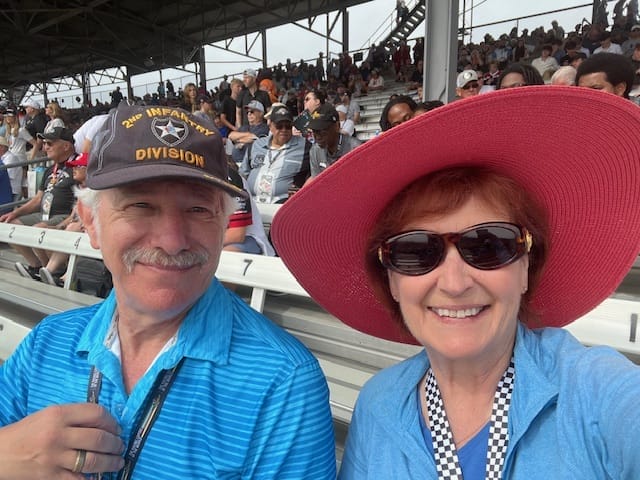
There’s a new trend catching on—more and more empty nesters are selling their homes and moving into RVs full-time.
This lifestyle lets them travel and explore new places, all while keeping a sense of home.
Why make the switch? Well, it could be the thirst for adventure, the financial perks, or just the urge to live with less stuff and more freedom.
Let’s dig into what’s behind this shift and share some tips for anyone thinking about jumping in.
Why Empty Nesters are Choosing RV Living
Empty nesters—usually couples whose kids have moved out—seem to find RV living pretty appealing these days.
For some, selling the family house and hitting the road feels like a chance to finally chase travel dreams.
Others see it as a way to downsize and simplify, trading square footage for new experiences.
Financial Benefits
Money’s a big motivator here.
By selling their home, empty nesters can ditch mortgage payments, property taxes, and all the usual home upkeep costs.
That frees up cash for travel and other adventures.
Plus, living in an RV can be way cheaper, especially if you snag affordable campgrounds or boondock for free on public land.
Flexibility and Freedom
RV living means freedom—real freedom.
You pick your destination, change plans whenever you want, and see as much of the country (or world) as you like.
It’s easy to follow the best weather, hit special events, or drop in on family and friends without being stuck in one place.
And since your home comes with you, you always have your own space, wherever you park.
Benefits of RV Living for Empty Nesters
There are a bunch of upsides beyond just saving money or packing light.
RV living can bring a stronger sense of community, a healthier lifestyle, and chances to live more intentionally.
Stronger Sense of Community
RV parks and campgrounds can create tight-knit communities.
Empty nesters often make close friends with fellow travelers who get the lifestyle and want the same things out of life.
These friendships can be a real lifeline, especially after the kids have moved out and things feel a little quieter at home.
Healthier Lifestyle
Living in an RV naturally encourages you to spend more time outside.
Hiking, biking, fishing—it’s all right there.
Exploring national parks and trails is great for your body and your mind.
And with less space and stuff, many people end up eating better and stressing less.
Intentional Living
RV living forces you to be intentional about what you own and how you spend your time.
With limited space, you really have to focus on what matters most, which can be kind of freeing.
It’s a lifestyle that encourages gratitude and mindfulness, with more attention on experiences than on things.
Plus, there’s finally time for hobbies and interests that might have been put aside while raising kids.
Tips for Transitioning to Full-Time RV Living
Thinking about making the leap? Planning ahead can make things a lot smoother.
Research and Choose the Right RV
Start by figuring out what kind of RV fits your needs and budget.
Check out RV shows, rent a few models, and talk to people who’ve been doing this for a while.
Pick something that feels like home and has the comforts you care about—don’t rush it.
Downsize and Declutter
Downsizing is a must.
Go through your stuff and decide what’s worth keeping, selling, donating, or storing.
Focus on things that are useful or truly meaningful, and remember, space is tight—so go for multipurpose items whenever you can.
Plan Your Finances
Budgeting is key.
Figure out the upfront costs for your RV, plus ongoing expenses like fuel, maintenance, and campground fees.
Set aside a little extra for those “just in case” moments.
If you want to earn money while traveling, look into remote work, freelancing, or seasonal gigs at campgrounds.
Join RV Communities and Networks
Connecting with other RVers can open doors to support and helpful resources. Jump into online forums, social media groups, or RV clubs to swap stories, ask questions, and learn from each other.
People in these communities often share practical advice, travel tips, and honest recommendations for campgrounds or destinations. Sometimes, you stumble on advice you never would’ve found on your own.
If you want to dig deeper into this lifestyle shift, check out this article on how empty nesters sold their house to live in an RV full-time.